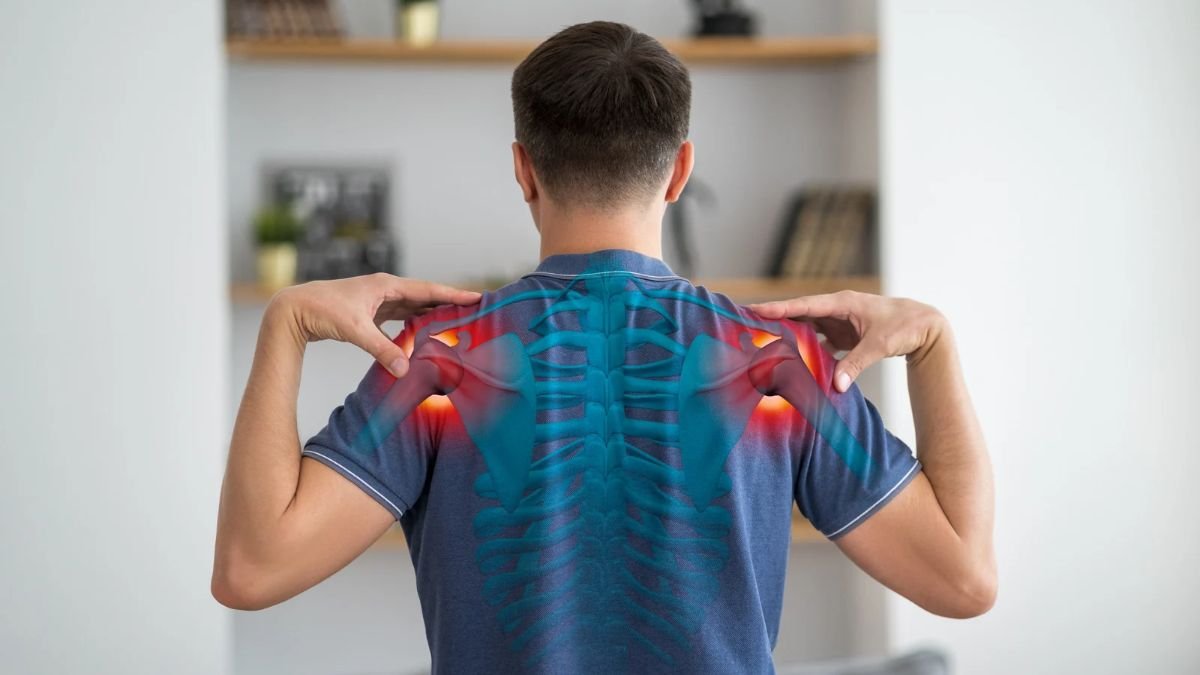
Shoulder pain that makes it difficult to lift your arm, reach behind your back or even get dressed should not be ignored. When pain is accompanied by progressive stiffness and restricted movement, one possible cause is frozen shoulder, medically known as adhesive capsulitis.
Frozen shoulder can affect everyday activities, disturb sleep and make routine tasks uncomfortable. Understanding its symptoms and seeking an appropriate medical assessment can help patients make informed decisions about treatment.
What Is Frozen Shoulder?
Frozen shoulder is a condition in which the capsule of connective tissue surrounding the shoulder joint becomes inflamed, thickened and tight. This restricts the normal movement of the shoulder and can cause persistent pain and stiffness.
It commonly affects adults between 40 and 60 years of age. People with diabetes and certain thyroid conditions may have a higher risk, although frozen shoulder can also occur without an obvious cause.
Common Symptoms of Frozen Shoulder
Symptoms often develop gradually and may become more noticeable over time.
Common warning signs include:
- Pain around the shoulder, sometimes extending into the upper arm.
- Difficulty raising the arm overhead.
- Restricted movement when reaching behind the back.
- Pain while dressing, bathing or combing hair.
- Discomfort when sleeping on the affected side.
- Increasing stiffness and difficulty performing everyday activities.
If shoulder movement is progressively reducing, a clinical assessment can help identify the underlying problem.
What Are the Stages of Frozen Shoulder?
Frozen shoulder is commonly described in three overlapping stages.
1. Freezing stage
Pain gradually increases, and shoulder movement becomes more restricted. Pain may be particularly troublesome at night.
2. Frozen stage
Pain may become less intense in some people, but stiffness remains significant. Activities requiring shoulder movement can still be difficult.
3. Thawing stage
Shoulder movement gradually improves. Recovery can take several months or longer, and the duration varies from person to person.
These stages are a general description. Not every patient follows exactly the same pattern.
How Is Frozen Shoulder Diagnosed?
Diagnosis usually begins with a detailed medical history and physical examination.
An orthopaedic specialist may assess:
- Where the pain is located and how long it has been present.
- Active and passive shoulder movement.
- Shoulder stiffness and functional limitations.
- Previous injuries, surgery or relevant medical conditions.
X-rays or other imaging tests may be recommended when necessary to rule out other causes of shoulder pain. Imaging is not a substitute for clinical assessment.
What Are the Treatment Options for Frozen Shoulder?
Treatment depends on the severity of symptoms, the stage of the condition and the patient’s overall health.
Options may include:
- Pain management: Appropriate pain-relief measures may help patients manage discomfort and participate in rehabilitation.
- Guided exercises and physiotherapy: Carefully selected mobility and stretching exercises can help improve shoulder movement. Exercises should be appropriate to the patient’s pain and stiffness.
- Medical treatment: In selected patients, a specialist may consider an injection or other interventions after assessing the condition, potential benefits and risks.
- Further procedures: If symptoms remain severe despite appropriate non-surgical care, additional treatment options may be considered based on individual clinical findings.
There is no single treatment suitable for every patient. Forceful stretching or unsupervised exercises may aggravate symptoms.
When Should You Consult an Orthopaedic Specialist?
Consider a medical assessment if:
- Shoulder pain continues or becomes worse.
- You cannot raise your arm comfortably.
- Shoulder stiffness interferes with daily activities.
- Pain regularly disturbs your sleep.
- Your shoulder movement is becoming increasingly restricted.
Sudden severe shoulder pain following an injury, visible deformity, or a hot, red shoulder with fever needs prompt medical attention.
Frozen Shoulder Treatment in Hyderabad
People experiencing persistent shoulder pain or stiffness may benefit from an assessment by an orthopaedic specialist.
At Healio RegenX – Advanced Orthopaedics & Pain Management Centre, Hyderabad, Dr. Kartheek Telagareddy, MBBS, MS – Orthopaedics, is a Consultant Orthopaedic Surgeon. Patients can seek an assessment for shoulder pain, restricted movement and other orthopaedic conditions.
The appropriate care plan depends on the clinical findings and individual needs.
For more information about the condition and available assessment options, visit the Frozen Shoulder Treatment page at Healio RegenX:
Frequently Asked Questions
Q : Can frozen shoulder get better on its own?
Ans : Frozen shoulder may improve over time, but recovery can be prolonged. Some people continue to experience pain or restricted movement, so an appropriate assessment and treatment plan are important.
Q : Is physiotherapy useful for frozen shoulder?
Ans : Guided physiotherapy and appropriate exercises can help improve mobility. The exercises should be selected according to the patient’s condition and tolerance.
Q : Does frozen shoulder always require surgery?
Ans : No. Most treatment plans begin with non-surgical approaches. Procedures or surgery may be considered in selected cases that do not improve with appropriate treatment.
Q : Can diabetes increase the risk of frozen shoulder?
Ans : Yes. Diabetes is associated with an increased risk of developing frozen shoulder. People with diabetes who develop shoulder stiffness should discuss it with their healthcare professional.
Q : How long does frozen shoulder take to recover?
Ans : Recovery varies. Some people improve over months, while others may experience symptoms for a longer period.
About Healio RegenX
Healio RegenX is an Advanced Orthopaedics & Pain Management Centre in Hyderabad, with consultation locations in Banjara Hills and Suncity / Bandlaguda Jagir.
For appointments and clinic information, visit https://healioregenx.com or call 8181945945.
This article is for general educational purposes and is not a substitute for an individual medical consultation.
Also Read : Sahher Bambba Age, Movies, Family, Education, Career and Net Worth